


Estimated reading time: 1 minute, 58 seconds
The Rise of Decentralized Finance (DeFi): Reshaping the Future of Financial Systems Featured
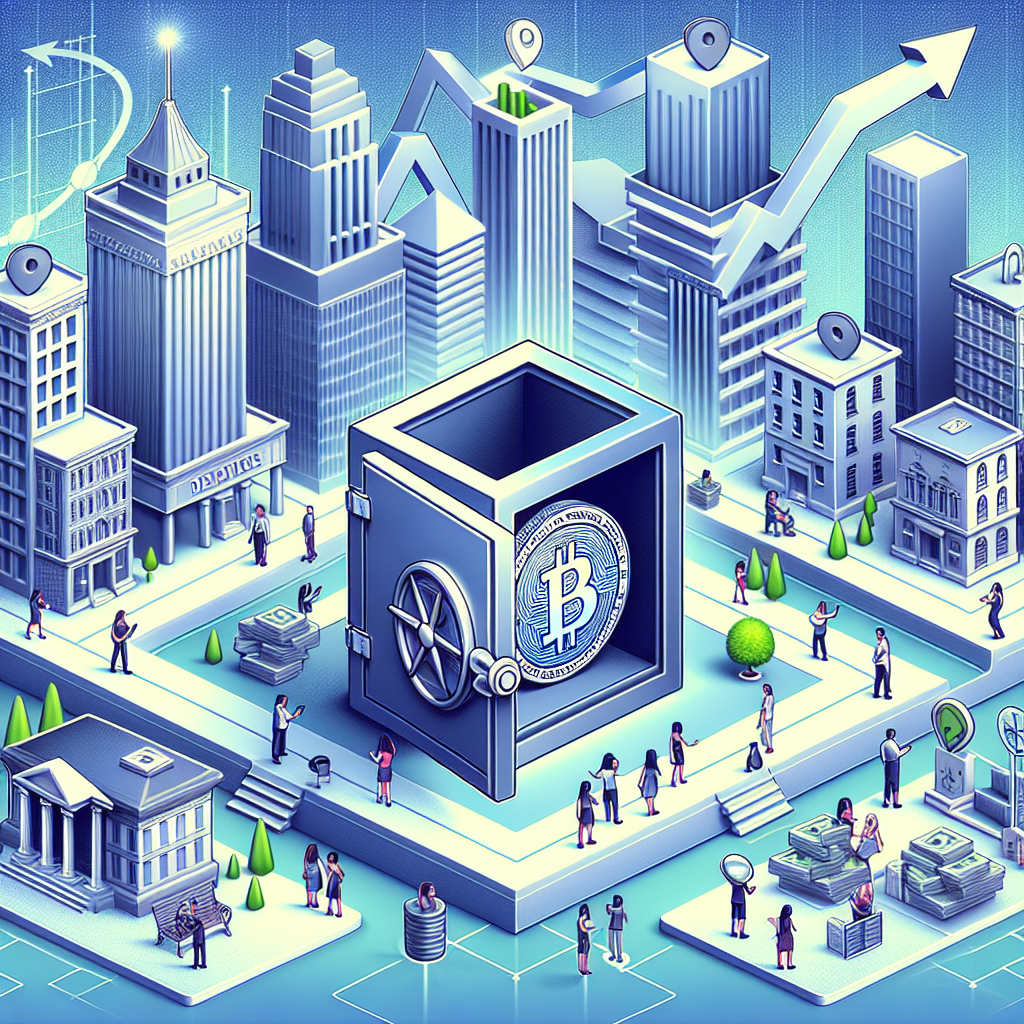 Explore the transformative impact of DeFi on financial systems, highlighting the surge in total value locked within DeFi protocols and the challenges faced by this innovative sector.
In recent years, decentralized finance, commonly known as DeFi, has become a disruptive force in the financial sector. Leveraging the power of blockchain technology, DeFi platforms are creating open-source, permissionless, and transparent financial services accessible to anyone with an internet connection. Unlike traditional financial systems that rely on intermediaries such as banks, DeFi eliminates these middlemen, offering unprecedented access and control to users.
The growing popularity of DeFi is evident in the rapid increase in the total value locked (TVL) within DeFi protocols. As of the past few days, the TVL has continued to surge, hitting new milestones and attracting significant attention from investors and financial analysts globally. This rise is fueled by various DeFi applications, including decentralized exchanges (DEXs), lending platforms, and yield farming protocols, which offer attractive returns compared to traditional financial products.
A real-life example illustrating the impact of DeFi is the success story of Uniswap, a decentralized exchange that has redefined how users exchange cryptocurrencies. Uniswap's platform operates without requiring a traditional order book, and it has facilitated billions of dollars in trading volume. This innovation has paved the way for other DEXs, establishing a new approach to cryptocurrency trading that is both efficient and cost-effective.
However, the exponential growth of the DeFi sector is not without challenges. Security concerns remain a significant issue, as illustrated by multiple high-profile hacks and vulnerabilities in smart contracts. These incidents highlight the necessity for enhanced security measures and robust auditing processes to protect investors and maintain the integrity of DeFi platforms.
Despite these challenges, the potential of DeFi continues to captivate the fintech community. Various sectors, including insurance, real estate, and supply chain finance, are exploring integration with DeFi solutions to enhance transparency and efficiency. As the regulatory landscape begins to take shape, the dialogue between regulators and DeFi platforms will be crucial in balancing innovation with investor protection.
DeFi's rise signals a transformative shift in the global financial landscape. As the sector matures, it will be interesting to observe how traditional financial institutions adapt and integrate with this wave of change. The future of finance is here, and DeFi is at its forefront, leading the charge toward greater financial inclusion and democratization of financial services.
Latest from Fin Tech Brief
- Ethereum's Rise: Navigating the Future of Smart Contracts in Cryptocurrency
- Blockchain Integration in Banking: Shaping the Future of Finance
- Bitcoin Adoption Among Major Retailers: A Growing Trend in Cryptocurrency
- Bitcoin's Recent Surge: What it Means for Institutional Investors
- Cryptocurrency Market: Navigating Volatility in 2024


Most Read
-

-
Apr 27 2019
-
Written by FinTech News Brief Staff
 The Securities and Exchange Commission announced the concept of digital…
-
-
-
Sep 03 2020
-
Written by FinTech News Brief Staff
 The IRS issued new guidance indicating cryptocurrency earned from crowdsourcing-based…
-
-
-
Sep 24 2020
-
Written by FinTech News Brief Staff
 MicroStrategy Inc. became the first public company to invest “the…
-
-

-
Sep 21 2018
-
Written by Jacob Roberts
Online software vendor Kashoo is forming focus group to react…
-