


The transformative power of blockchain technology is increasingly being harnessed in the realm of supply chain management, representing a significant trend in today's market. Companies are progressively realizing the potential of blockchain to enhance transparency, reduce fraud, and streamline operations.
One of the most compelling examples of blockchain applications in supply chain is Walmart's use of the technology to track food safety. By leveraging blockchain, Walmart ensures that their produce can be traced back to its origin within seconds, minimizing risks associated with foodborne illnesses and ensuring consumer safety. This real-time traceability offers unprecedented accountability and operational efficiency.
Another notable case is Maersk, a global leader in shipping, which uses blockchain to digitize their supply chain, thus eliminating paper-based documentation. This initiative not only reduces the chances of document fraud but also enables faster validation and clearance processes at ports, saving valuable time and costs.
Apart from these, blockchain's potential to combat counterfeit products in industries like pharmaceuticals and luxury goods is being explored actively. The immutable nature of blockchain records makes it ideal for verifying the authenticity of high-value items, thereby curbing the influx of counterfeit goods in the market.
From a financial perspective, blockchain facilitates smoother cross-border payments by eliminating intermediaries, thus speeding up transactions and reducing costs. This seamless financial transaction process enhances the overall efficiency of supply chains which rely on intercompany and cross-border payments.
Despite the pronounced advantages, the adoption of blockchain in supply chain management is not without challenges. One major hurdle is the significant investment required for technology integration and the need for technical expertise to manage these systems. Additionally, there is the challenge of convincing all parties within a supply chain to adopt and rely on this technology.
However, the momentum behind blockchain's integration into supply chain management is gaining strength, underscoring a shift towards more secure, transparent, and efficient business operations. As businesses continue to prioritize these attributes, blockchain stands to become a cornerstone in the architecture of future supply chains.
Estimated reading time: 1 minute, 45 seconds
The Rising Influence of Blockchain in Supply Chain Management Featured
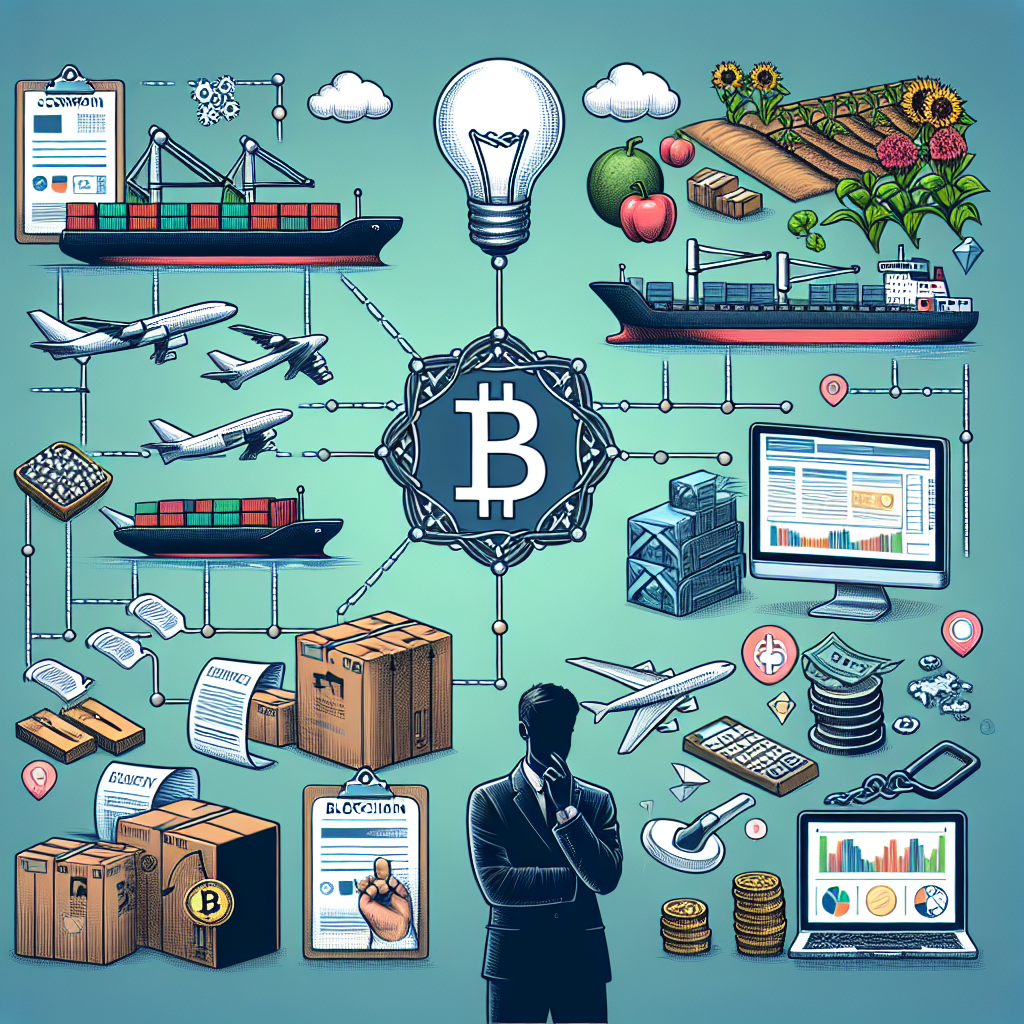 Explore the innovative use of blockchain technology in enhancing supply chain management operations, with real-world examples from Walmart and Maersk leading the change.
Latest from Fin Tech Brief
- Blockchain Integration in Banking: Shaping the Future of Finance
- Bitcoin Adoption Among Major Retailers: A Growing Trend in Cryptocurrency
- Bitcoin's Recent Surge: What it Means for Institutional Investors
- Cryptocurrency Market: Navigating Volatility in 2024
- Cryptocurrency Compliance: Navigating the Evolving Regulatory Landscape


Most Read
-

-
Apr 27 2019
-
Written by FinTech News Brief Staff
 The Securities and Exchange Commission announced the concept of digital…
-
-
-
Sep 03 2020
-
Written by FinTech News Brief Staff
 The IRS issued new guidance indicating cryptocurrency earned from crowdsourcing-based…
-
-
-
Sep 24 2020
-
Written by FinTech News Brief Staff
 MicroStrategy Inc. became the first public company to invest “the…
-
-

-
Sep 21 2018
-
Written by Jacob Roberts
Online software vendor Kashoo is forming focus group to react…
-