In recent years, the cryptocurrency landscape has undergone rapid evolution, with decentralized finance (DeFi) emerging as a transformative force. While Bitcoin and Ethereum have served as the vanguards of digital currencies, DeFi is set to revolutionize traditional banking and financial services on an unprecedented scale.
A key trend observed in the past few days has been the substantial inflow of capital into prominent DeFi platforms. Investors are increasingly drawn to the concept of removing intermediaries in financial transactions, which can drastically reduce costs and enhance transaction speeds. With smart contracts eliminating the need for traditional financial institutions, DeFi offers unparalleled transparency and security.
Traditional banks, such as JPMorgan Chase and Goldman Sachs, have noticed this surge in DeFi popularity and are cautiously exploring ways to integrate DeFi protocols into their existing frameworks. This represents not only a validation of DeFi's potential but also a threat to the very infrastructure upon which traditional banks rely.
Real-life examples illustrate the massive economic shifts enabled by DeFi. For instance, Uniswap, a leading decentralized exchange, has overtaken several regulated exchanges in daily trading volume. This signifies a growing trust and reliance on decentralized platforms for executing financial transactions. Such shifts raise questions about future banking models and whether traditional entities can maintain competitiveness.
As DeFi continues to scale, it challenges existing regulatory environments in the United States and worldwide. Regulators are faced with the task of developing adaptive frameworks that safeguard investors while fostering innovation. The delicate balance between regulation and innovation is crucial, as seen in the SEC's recent actions to closely monitor DeFi activities.
However, the journey of DeFi is not without challenges. Security concerns, particularly related to potential hacks and scams, remain prevalent. High-profile cases such as the exploit of certain DeFi protocols underscore the risks associated with decentralized systems. Industry stakeholders are calling for improved security measures and more robust risk mitigation strategies to ensure sustainable growth.
In conclusion, decentralized finance is not just a passing trend but an evolution in the financial industry that promises to reshape traditional banking. While the path forward is fraught with challenges, the opportunity for growth and innovation is immense, laying the groundwork for a future where financial services are more inclusive, efficient, and transparent.
The Rise of Decentralized Finance: Impact on Traditional Banking Featured
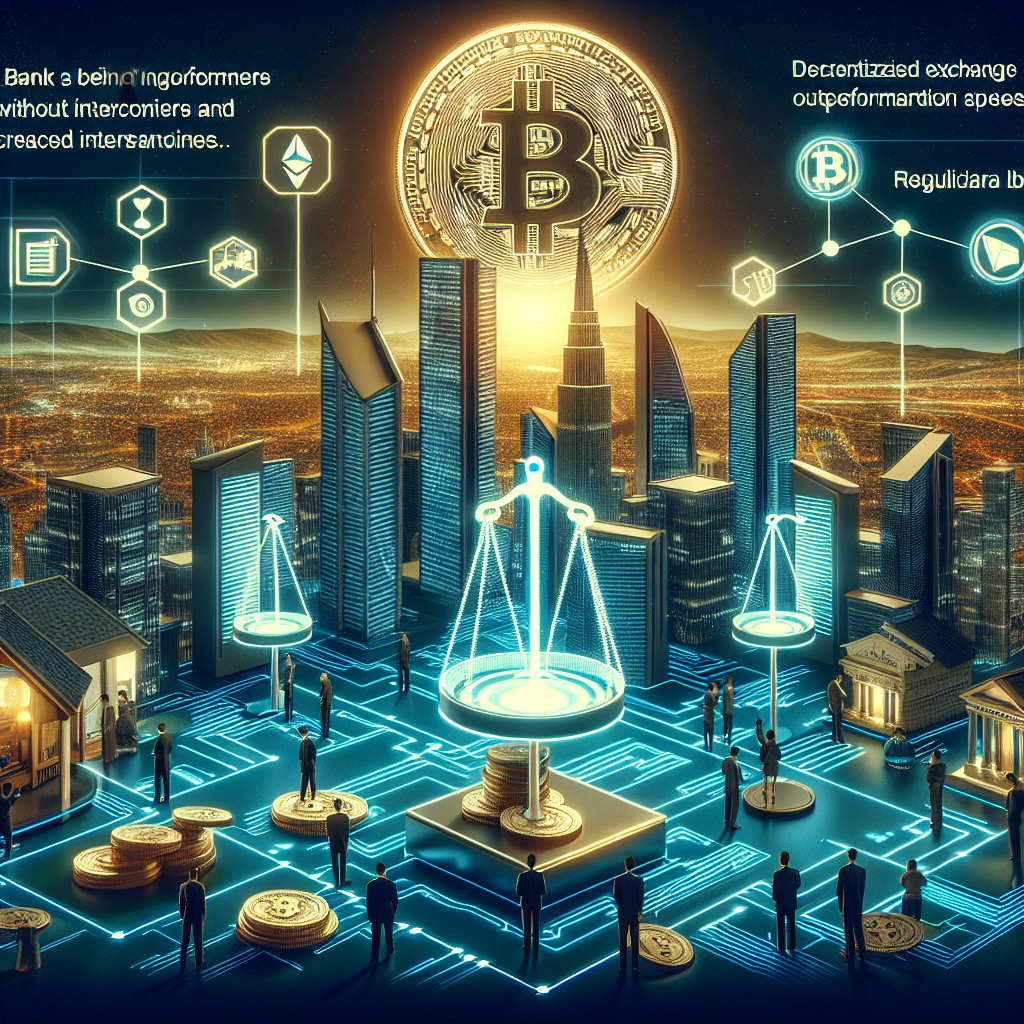 Explore how decentralized finance (DeFi) is reshaping traditional banking, with insights into current trends, challenges, and opportunities for financial transformation.

Latest from Fin Tech Brief
- The Ripple Effect of Cryptocurrency Regulations on Blockchain Innovation
- Latest Trend in FinTech: The Rise of Embedded Finance
- The Evolving Landscape of Cryptocurrency Regulations in the U.S.
- The Surge of Institutional Investment in Cryptocurrency
- Blockchain Beyond Cryptocurrency: Transforming the Financial Landscape