

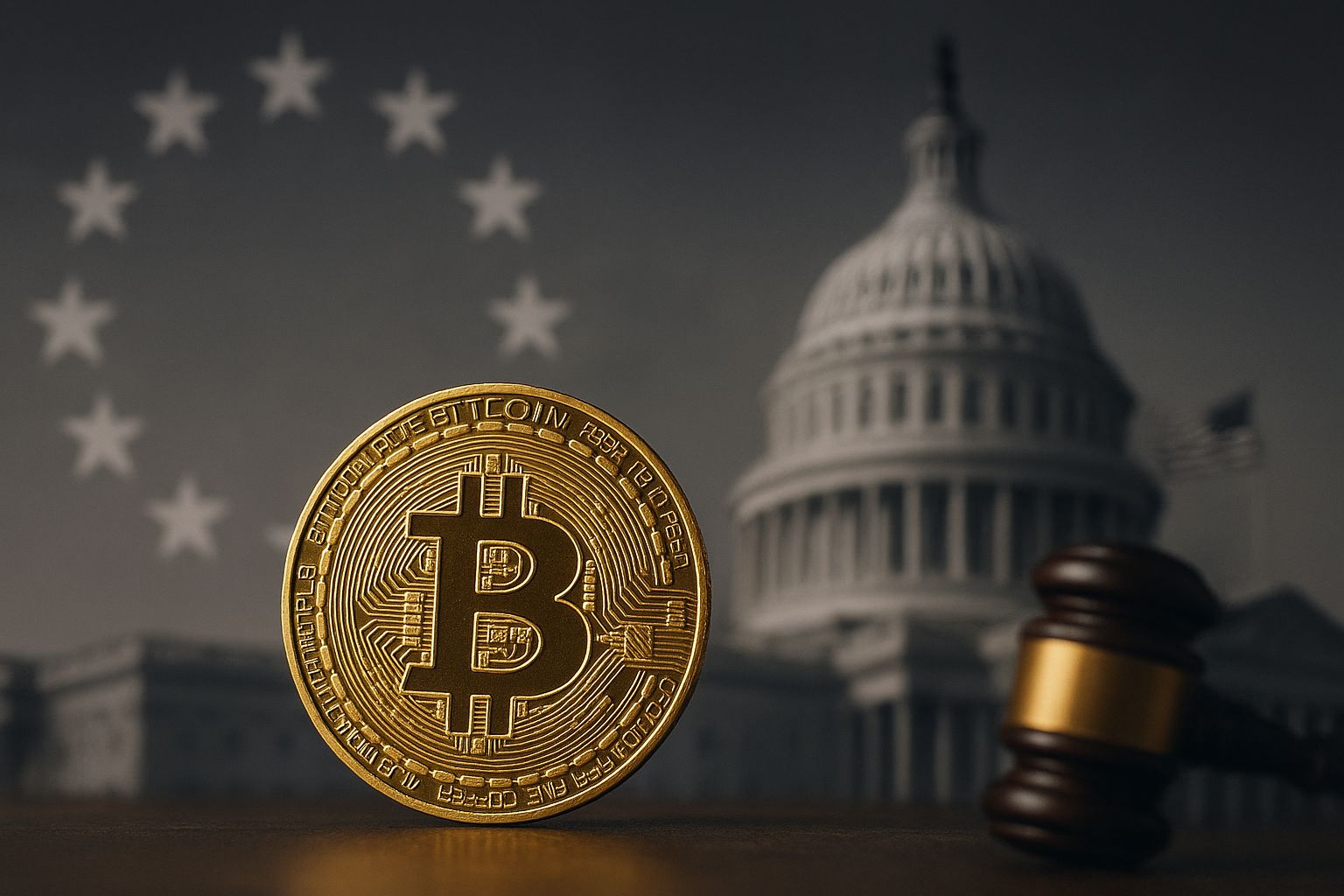
The world of cryptocurrency is experiencing seismic shifts as regulators worldwide are intensifying efforts to introduce comprehensive frameworks for these digital assets. As the market matures, the primary focus is on creating an environment that encourages innovation while ensuring consumer protection and market integrity.
In recent months, several major economies have taken definitive steps towards establishing regulatory clarity. For instance, the European Union’s comprehensive Markets in Crypto-Assets (MiCA) regulation aims to create a unified regulatory regime across member states. MiCA’s objective is to address transparency, AML considerations, and consumer protection, making it a cornerstone for cryptocurrency legislation in Europe.
Similarly, the United States has witnessed a marked increase in regulatory activity. The Securities and Exchange Commission (SEC) and the Commodity Futures Trading Commission (CFTC) are placing cryptocurrencies under their gaze, actively scrutinizing digital asset offerings and exchanges to ensure compliance with existing securities and commodities laws. This development reflects a growing consensus on treating certain cryptocurrencies as securities or commodities, subject to applicable regulations.
In Asia, Singapore leads the charge with a progressive approach. The Monetary Authority of Singapore (MAS) has been proactive in setting up a licensing regime for cryptocurrency exchanges, creating a conducive atmosphere for reputable digital finance businesses. Its forward-thinking framework balances regulatory oversight with the flexibility that the innovative fintech landscape demands.
These regulatory developments highlight a trend towards a harmonized global standard, driven by the need to curb illicit activities and protect investors. The ongoing discussions in global forums, such as the Financial Stability Board (FSB) and the Basel Committee on Banking Supervision, underscore the importance of international collaboration in establishing comprehensive regulatory standards.
Corporate entities operating in the cryptocurrency domain are adapting to this new regulatory landscape by enhancing their compliance frameworks and integrating sophisticated risk management strategies. Companies are increasingly leveraging blockchain analytics tools to adhere to stringent AML and KYC obligations, ensuring they remain competitive in this rapidly evolving sector.
While the regulatory environment is undeniably tightening, industry players acknowledge that this is a necessary evolution to foster sustainable growth and mainstream adoption. By working closely with regulators, the cryptocurrency industry can thrive, paving the way for innovative solutions that align with regulatory expectations while continuing to deliver value.
The challenge lies in balancing the need for regulation with the essential quality of cryptocurrencies—decentralization. As we navigate this unprecedented era of digital finance, it is clear that the regulatory frameworks being established today will shape the trajectory of cryptocurrencies for years to come.